Cinema and Me
A dream, an escape, a failure, a companion, a source of reflection.

“…my love for cinema is piercing me like a double-edged sword: it reminds me of how much I am in awe of this art form while also reminding me of how I failed.” — 2022
“I don’t think I am capable of watching another film all by myself because I find it counterproductive now. I don’t have a reason to watch new films anymore because my aspiration to become a filmmaker has sailed away.” — 2024
2026
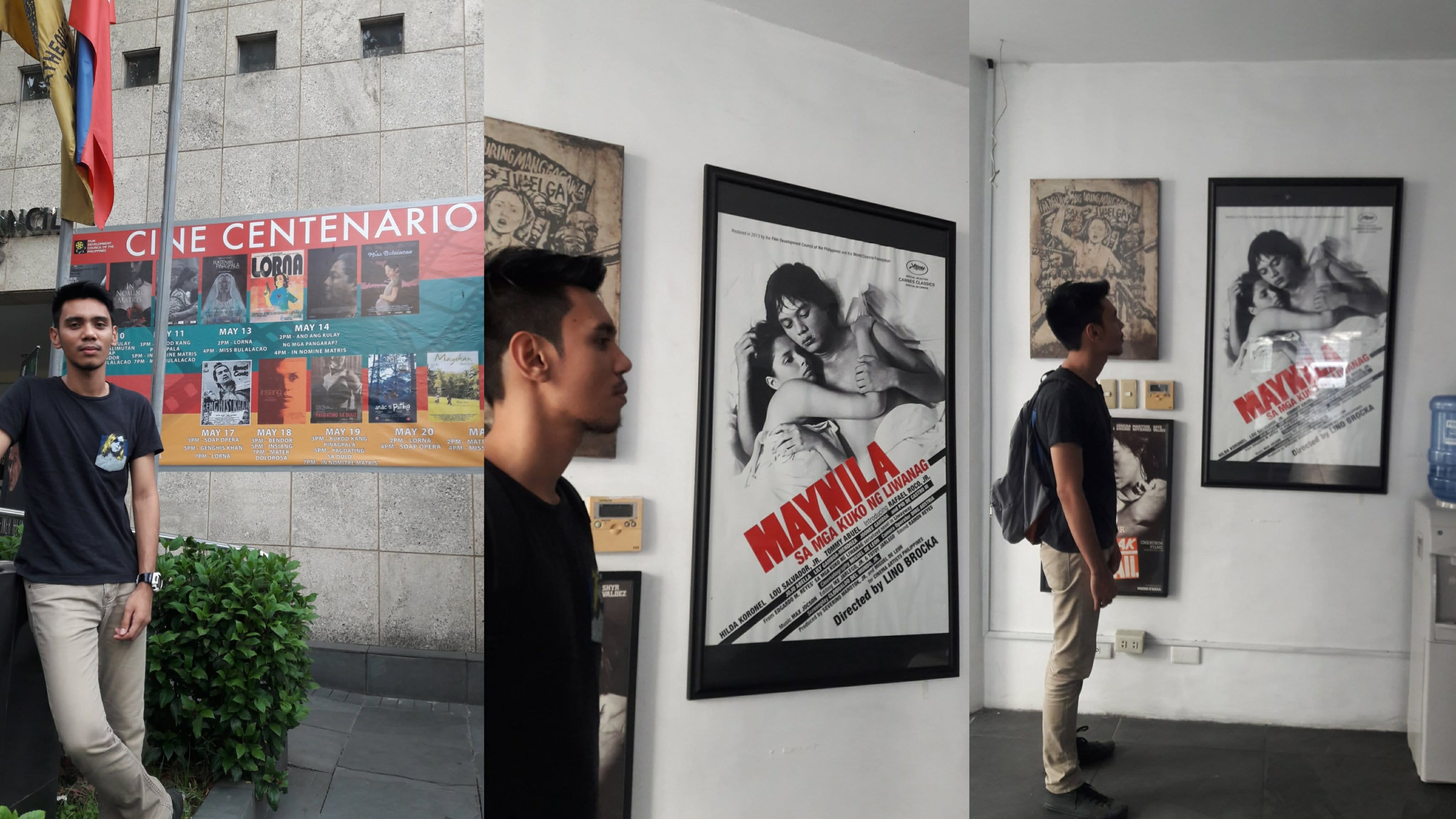
Cinema and I have had a very long and complicated relationship. It started as an enjoyable activity with my father, a thing he liked that he shared with me. It created a space for a father and son to temporarily set aside any difficulties that came with that bond. We were just two people sitting together, sharing an experience. Though it never occurred to him that, later, my life would revolve around it. First, it was the action that thrilled me, then the stories that fascinated me, then the analysis and the process of making films that captured my curious mind.
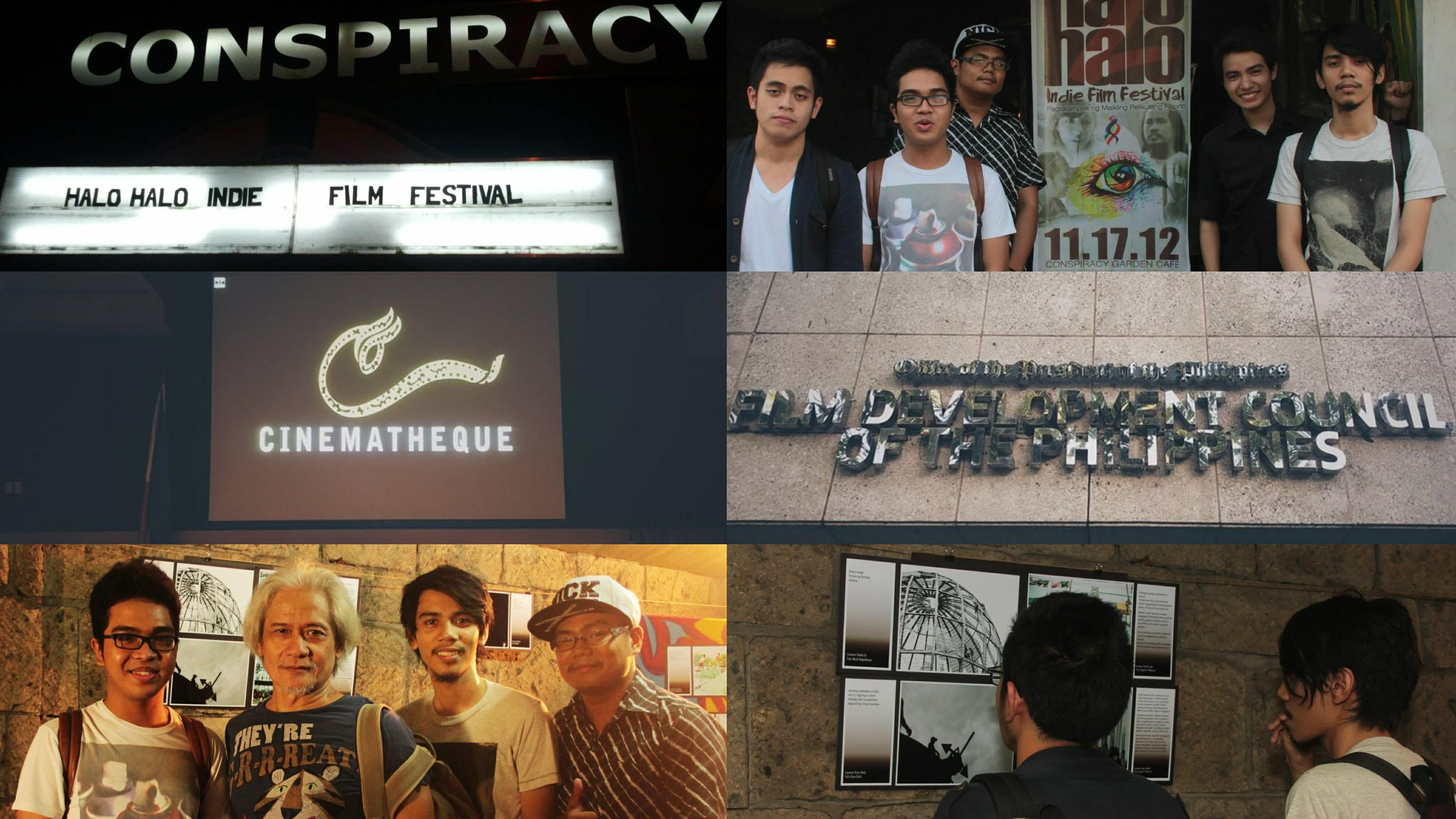
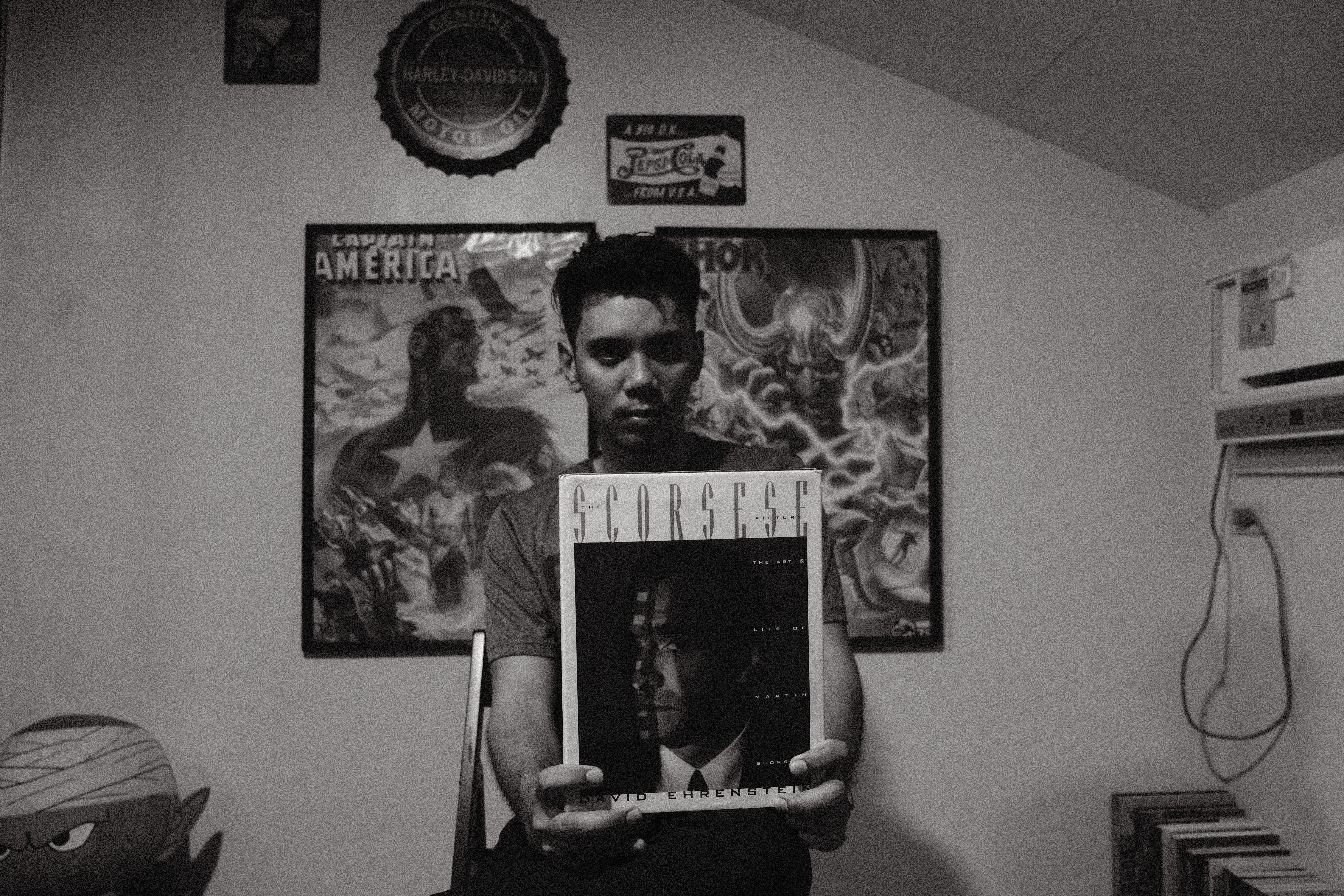
A fascination that turned into a passion, or maybe an obsession. Masters of cinema like Kubrick, Kurosawa, Coppola, Scorsese, and Nolan were the ones who ignited the flame, showing me the separation between what we casually enjoy and a serious medium that explores profound ideas. It moved from simple entertainment to a deeper appreciation of an art form. But it was the work of the likes of Ceylan, Kaurismäki, and Jarmusch that made the dream of becoming a filmmaker more tangible. It was a kind of cinema that communicated personal expression and often dealt with ordinary people who were searching for meaning in their everyday lives.
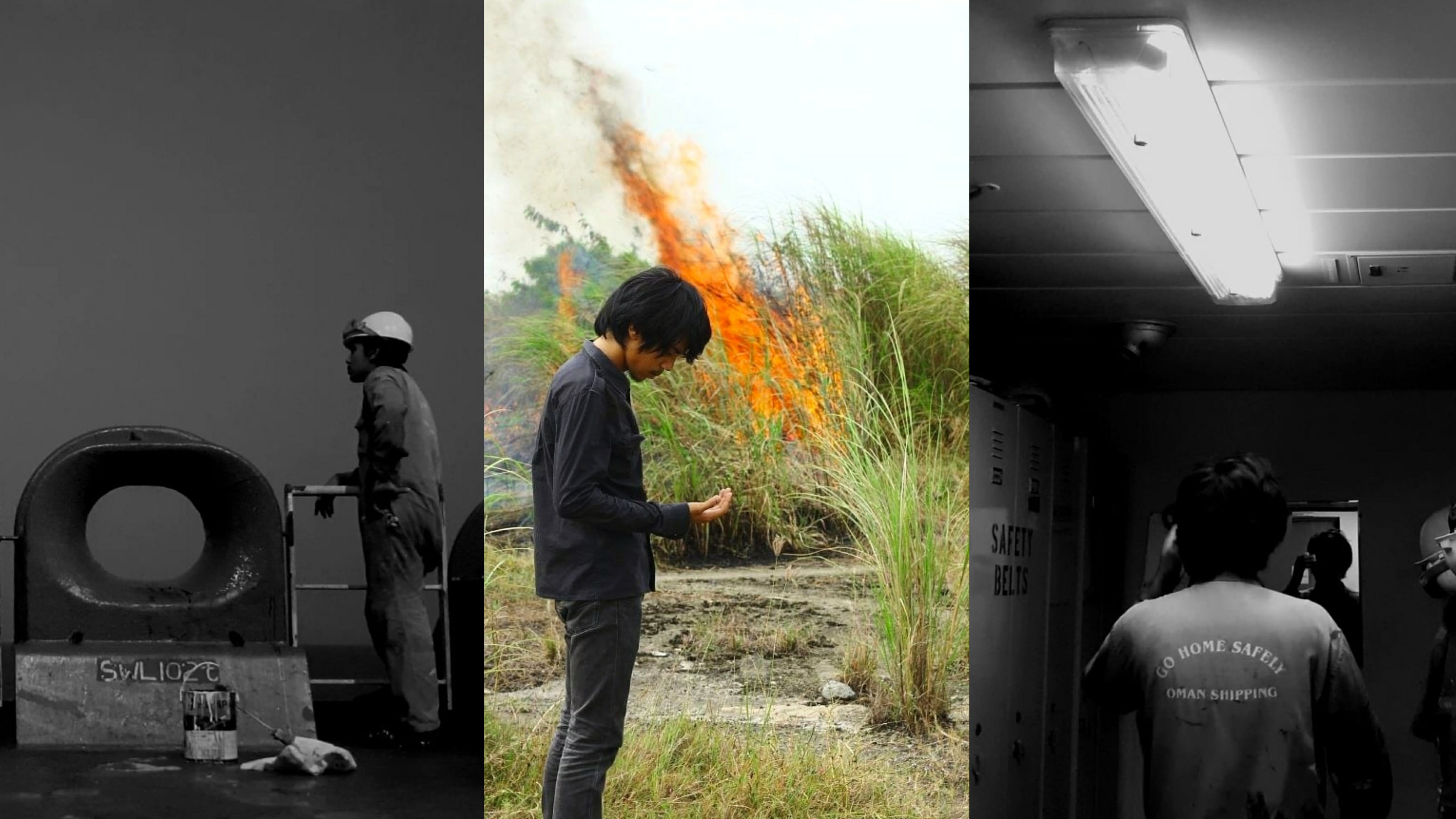
But ultimately, that was not the path someone else had laid out for me. It’s hard to build a dream if you’re the only one who believes in it. Without connection or support, it crumbled. Cinema, the love of my life, had merely become an escape. I enjoyed watching films because I felt that there was a purpose. I was learning not only the vast unknown worlds but also the craft of shaping one. But the moment I used it as a vehicle to avoid reality, I realized that I hadn’t really learned much. I thought I had become stronger and wiser by being exposed to great works, but I only think I became stronger and wiser. There’s a difference between reality and perception. I had gone from an ambitious cinephile to a passive consumer. I had become a dilettante.
And worse, everything became distorted when I started using it to define my worth and measure other people’s capacity for depth and intellect. Cinema became tied to my sense of self-worth and I used it to validate myself. After discovering something beautiful, I invested too much of my identity into it and began separating myself from others. Instead of using cinema as a bridge, I unintentionally used it as a boundary. The tragedy is that I loved something that was fundamentally about human experience, but I used it in a way that distanced me from people. I had become blinded by the very thing that I thought made me see clearly. I reached a point where I thought discovering it was a mistake, a curse, believing my life would have been simpler and less complicated if I had never known it. Frustrated, I abandoned it. I couldn’t set my eyes on a screen because, without a purpose, it felt meaningless, and escaping life through cinema seemed a futile endeavor. It also served as a painful reminder of failure, of a dream that never was.
For the next couple of years, I would reluctantly revisit old favorites and finish the filmographies of directors I used to admire. However, the majority of the films I watched were with someone, either my family or my friends, and rarely alone, because cinema had returned to a much simpler function in my life: a way to bond and spend time with the people I treasure. Without realizing it, I had rediscovered one of the most important aspects of cinema: connection. I spent decades connecting with cinema, but I failed to recognize that it was also meant to connect me with others.
In the end, cinema returned to me as a companion. I no longer have the same thirst. I have seen so much, and I can only conclude that I have seen enough. Yet, it’s something that will always be a part of me, and I’m not ruling out the possibility of new discoveries. It’s no longer just a reminder of a failed dream, but a bridge to my younger, more hopeful self, and to people who have made my life meaningful. And although my life no longer revolves around it, cinema has made it much richer.
P.S. Thank you, Jim Jarmusch.